


Get access to exclusive luxury travel insights, expert tips, and behind-the-scenes stories from Flux Full Circle. Be the first to know about our new service offerings, travel tech innovations and partnership updates.
A Guide to SEO for Luxury Travel Brands: Boost Your Online Visibility
Written by Jessica Lee

A Guide to SEO for Luxury Travel Brands: Boost Your Online Visibility
In the competitive landscape of luxury travel, securing a top spot in Search Engine Results Pages (SERPs) is crucial for attracting your target audience online. Search Engine Optimisation (SEO) is a critical strategy for enhancing your website’s online visibility, especially for targeted search queries. By strategically implementing SEO best practices, your luxury travel brand can organically attract high-net-worth travellers, generate qualified leads, and achieve sustainable long-term growth.
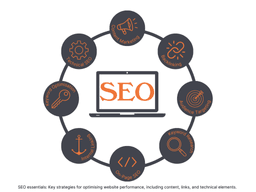
This guide is designed to provide a foundational understanding of SEO, focusing on its three main pillars: technical SEO, content SEO, and authority SEO. By mastering these elements and learning how search engines work, you’ll be well-equipped to optimise your website to reach the luxury travel market and achieve your business goals
What is SEO?
SEO (Search Engine Optimisation) is the practice of enhancing a website’s visibility and ranking on search engine results pages (SERPs) to attract more organic (non-paid) traffic. This involves optimising various aspects of the website, such as content, structure, and technical elements, to make it more appealing to search engines like Google and Bing.
But SEO is not just about search engines; it’s also about understanding the needs and behaviours of your target audience. In the luxury travel industry, this means knowing what high-end travellers are searching for, the language they use and the type of content they value. By aligning your SEO strategy with these insights, you can connect with travellers looking for the luxurious experiences you offer.
How Search Engines Work
Search engines operate by using advanced algorithms to index and rank web pages based on their relevance and quality. The process begins with web crawlers, also known as spiders or bots, that thoroughly browse the internet to discover new and updated content. These crawlers follow links from page to page, gathering data and storing it in the search engine’s index, a massive database of all the content they have found. When a user types a query into the search engine, the algorithm analyses the indexed content, considering factors such as keyword relevance, website authority, and user engagement metrics to deliver the most relevant results. The goal is to provide users with the most accurate and useful information in response to their search queries, ensuring a satisfying search experience.
Why is SEO Important for Luxury Travel?
While paid advertising and social media campaigns can drive traffic to your website, organic search remains the most significant source of online traffic. Organic search results not only occupy more digital real estate but also appear more credible and enjoy higher click-through rates than paid ads. For luxury travel brands, a strong SEO strategy is a long-term investment that can continuously attract affluent travellers without the need for ongoing advertising spend. High-quality content that ranks well for targeted keywords can drive consistent traffic, positioning your brand as a trusted name in the luxury travel industry.
The Three Pillars of Effective SEO
A well-optimised website rests upon a foundation of three core principles: technical SEO, content SEO, and authority SEO. Each pillar plays a distinct role in influencing search engine ranking and user experience. Let’s delve into each of these pillars and explore the strategies you can implement to strengthen your website’s SEO:
1. Technical SEO
Technical SEO involves optimising the infrastructure of a website to ensure it meets the technical requirements of search engines and provides a seamless user experience.
This includes improving site speed, ensuring mobile-friendliness, creating a logical site structure, implementing secure protocols (HTTPS), and using proper URL structures.
It also involves fixing crawl errors, optimising XML sitemaps, and utilising schema markup to enhance search engine understanding of the site’s content. Effective technical SEO ensures that search engines can efficiently crawl, index, and rank a website.
Mobile Optimisation & User Experience (UX)
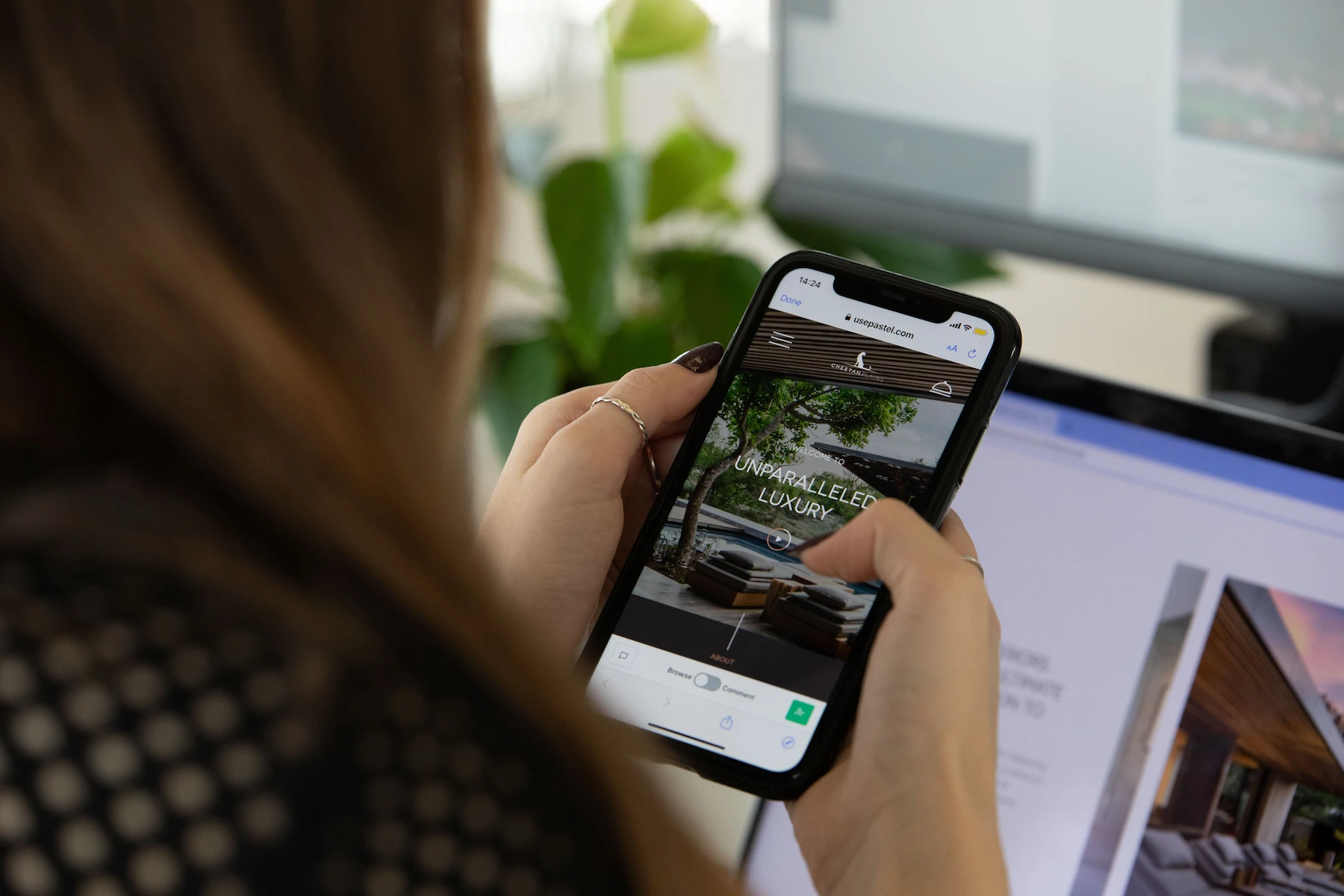
For luxury travellers who frequently research and book on mobile devices, a seamless, responsive mobile experience is non-negotiable. Ensure your site is optimised for speed, aesthetics, and simplicity. Fast load times are crucial, as slow-loading websites can damage your brand’s premium perception and lead to higher bounce rates. Consider incorporating personalised recommendations, and rich animations to captivate users and create a memorable browsing experience.
2. Content SEO
Content SEO is about creating and optimising high-quality, relevant, and valuable content that meets user intent while adhering to search engine guidelines. For luxury travel brands, this means producing content that resonates with your desired audience and showcasing the exclusivity, elegance, and uniqueness of your offerings.
To effectively guide potential customers through their journey, create content for each stage of the customer journey:
Awareness Stage: Blog posts, travel guides, and inspirational stories to entice potential customers. Content can focus on luxury trends, destinations, or VIP experiences.
Consideration Stage: Case studies, itineraries, or comparison guides (e.g., “Best Luxury Beach Resorts vs. Private Villas”) to help prospects move further down the funnel.
Decision Stage: Detailed service pages, concierge options, and VIP packages to create confidence in the final purchase decision.
Start by conducting keyword research to identify terms and phrases your target audience is searching for. Incorporate these keywords naturally into well-structured content, focusing on elements like titles, meta descriptions, headers, and images. By aligning your content with the desires and expectations of luxury travellers, you can improve your website’s visibility and ranking in search results.
Voice Search Optimisation
Voice search is becoming increasingly prevalent, especially among users looking for quick and convenient answers. To optimise for voice search, tailor your content to answer conversational queries such as “best luxury hotels in Cape Town” or “private villa near me.” Additionally, ensure that your local SEO is optimised for voice searches related to nearby luxury services or experiences, which can drive more traffic to your site from local searches.
3. Authority
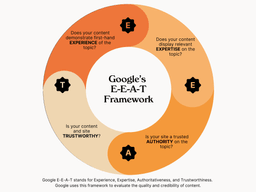
Authority SEO is about establishing your website’s reputation and credibility in the eyes of search engines and users. In the luxury travel sector, this involves earning high-quality backlinks from reputable travel and lifestyle websites, gaining mentions and citations across the web, and demonstrating your expertise, authoritativeness, and trustworthiness (E-E-A-T).
Social media engagement, user reviews, and metrics like time on site and bounce rate also contribute to your site’s authority. The more authoritative your website appears, the more likely it is to rank higher in search results. Consistent efforts in content marketing, public relations, and outreach are key to building and maintaining strong authority.
Analytics and Continuous Optimisation
SEO is not a one-time effort but an ongoing process. Tracking user behaviour using tools like Google Analytics to monitor high-value actions such as enquiries and bookings, as well as transitional conversions such as newsletter signups, downloads, and interactions with premium content. Regular A/B testing of page layouts, CTA buttons, and content presentations can reveal what resonates most with your targeted audience. Use these insights to refine your strategy, focusing on metrics like bounce rates, time on page, and organic conversions to ensure your SEO efforts are driving the desired results.
Leverage Paid Search with Organic SEO
While SEO forms the foundation of your digital strategy, complementing it with paid media campaigns further enhances online visibility and effectiveness. While organic efforts target the top-middle of the funnel, targeting high-intent luxury keywords through PPC campaigns on platforms such as Google Ads and Microsft Ads, targets the bottom of the funnel, ensuring a comprehensive target strategy throughout the user journey. Additionally, paid retargeting campaigns can be used to engage with users who have explored your offerings but not converted, giving you another opportunity to convert.
Achieving SEO Success
By implementing the SEO strategies outlined in this guide, you can position your luxury travel brand for success in search engine results. Remember, SEO is an ongoing process. As search engine algorithms and user behaviours evolve, it’s essential to monitor and adapt your SEO tactics continually. However, with a well-optimised website, you can ensure your brand remains discoverable by your target audience and poised for long-term success in the luxury travel market.
Looking for an expert team to take care of your online visibility while you take care of the guest experience?
To learn more about our SEO services and how we could help your luxury travel brand maximise its online revenue potential, book a no-obligation Discovery call.